

Key points for installation and maintenance of energy storage systems in tropical climates of Southeast Asia
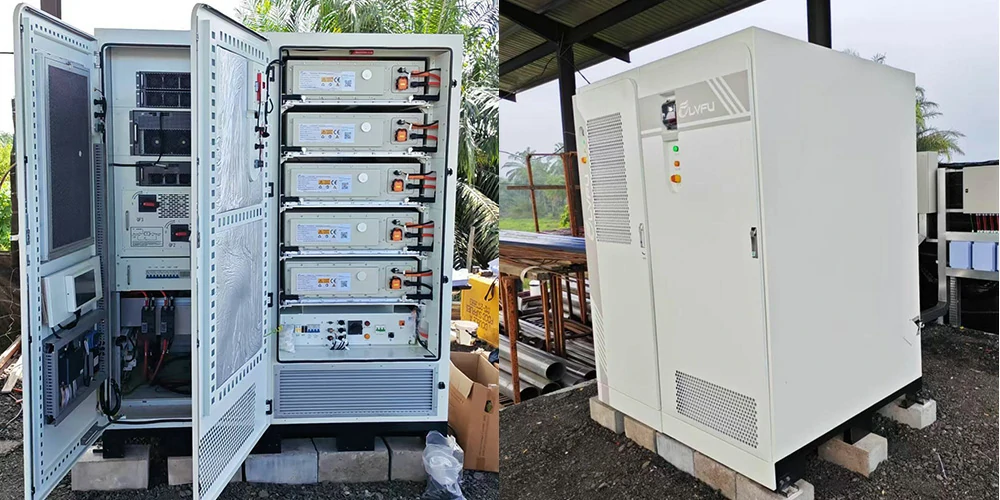
The challenge: What makes Southeast Asia so tough on batteries
Southeast Asia experiences year-round high temperatures and humidity, with concentrated rainfall during the monsoon season. Coastal areas also face salt spray corrosion. Under these climatic conditions, we see three major threats to energy storage systems.
First, humidity creates electrical risks. Relative humidity consistently stays above 80%. This moisture easily penetrates electronic components, causing short circuits and reducing insulation performance.
Second, corrosion damages metal parts. Salt spray and acidic rainwater accelerate rusting on metal enclosures and terminal blocks. Over time, this leads to connection failures and safety hazards.
Third, heat dissipation becomes difficult. Ambient temperatures often reach 35–40°C. The equipment generates its own heat on top of that, but the system cannot release this heat effectively. As a result, batteries age faster and electrical components fail more often.
Considering these environmental challenges, we recommend prioritizing the following key tasks when installing energy storage systems.
Solution 1: Choose the right site and build a solid foundation
First, select a location with higher terrain and good drainage. This prevents water from accumulating and soaking the equipment.
Second, build a sunshade and rain shelter. This protects the system from direct sunlight and heavy rain impact.
Also, support the bottom of the equipment with a concrete foundation that stands 30 cm above the ground. This prevents water pooling and moisture from rising into the system.
Solution 2: Seal the system and control internal moisture
Choose energy storage cabinets with high protection ratings, such as IP54 or above. At the cable inlet and outlet, always use waterproof sealing connectors.
You can also add an intelligent dehumidification device inside the cabinet. This maintains relative humidity below 60% inside the enclosure.
Solution 3: Design for proper heat dissipation
Make sure you leave sufficient ventilation space around the equipment. Keep at least 1 meter clear between the front and back of the unit, and avoid stacking multiple devices closely together.
We recommend using forced air cooling or air conditioning cooling systems. Also, clean the filters regularly to prevent dust buildup, which blocks airflow and reduces cooling efficiency.
Why LVFU works better in tropical climates
In the Southeast Asian market, the LVFU energy storage system demonstrates remarkable reliability. We specially optimized its design for hot and humid environments.
Excellent moisture resistance: Some LVFU models achieve an IP65 protection rating for the entire unit. We coat the key circuit boards with three layers of anti-corrosion paint and seal them with epoxy resin. An internal intelligent dehumidification module also helps. As a result, LVFU systems operate stably even at 95% relative humidity.
Reliable corrosion resistance: We build the enclosure from stainless steel or hot-dip galvanized steel with an outdoor powder coating. This material passes a 720-hour salt spray test, making it suitable for coastal industrial environments. For terminal connections, we use nickel-plated copper, which eliminates electrochemical corrosion.
High efficiency in heat dissipation: We designed an “independent ventilation channel” that separates the battery compartment from the electrical compartment. Forced air cools the electrical compartment, while intelligent temperature-controlled fans cool the battery compartment. In actual tests at 40°C ambient temperature, LVFU systems run 8–10°C cooler than conventional products. This effectively extends the battery’s cycle life.
To sum up, the tropical climate in Southeast Asia poses severe challenges to energy storage systems. However, if you implement the three key measures during installation – moisture-proofing, corrosion prevention, and heat dissipation – and combine them with regular maintenance, you can guarantee long-term stable operation.
Choosing a product like LVFU, which we optimized from the design stage for hot and humid environments, will achieve even better results and significantly reduce your total lifecycle cost.
