

Integrating high-capacity storage and a robust 10kW hybrid inverter to combat frequent load shedding and rising electricity costs in Pakistan.
Project Overview
Lahore, Pakistan, faces significant energy challenges, including frequent load shedding and escalating electricity tariffs. Consequently, households are increasingly turning to advanced solar-plus-storage solutions to secure a reliable power supply. This case study highlights a high-performance 8kWp/10kW/20kWh residential system. By combining efficient PV modules with a robust hybrid inverter and deep-cycle battery banks, this installation provides the household with complete energy autonomy and significant cost savings.
Core Configuration:
- PV Array: 8kWp high-efficiency solar modules.
- Hybrid Inverter: 10kW three-phase low-voltage hybrid inverter.
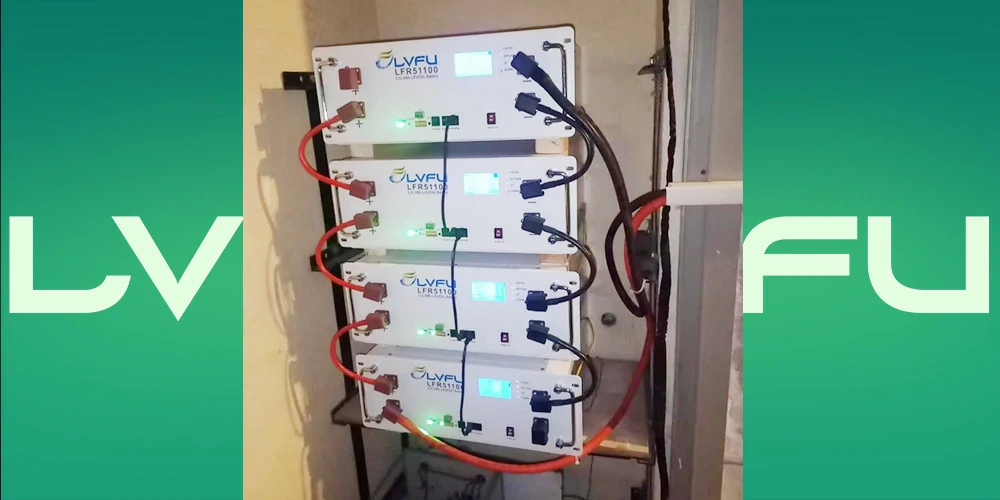
- Energy Storage: 4 x 5kWh low-voltage battery banks in parallel, totaling 20kWh.
- Grid Integration: Seamless on-grid/off-grid switching capability.
The Challenge: Grid Instability and Heavy Loads
In Pakistan, power outages (load shedding) can disrupt daily life at any moment. Moreover, modern households in Lahore operate heavy appliances such as air conditioners, water pumps, and instant heaters, which require high instantaneous power. To address these issues, the system must not only store enough energy for the night but also provide a high load capacity to handle multiple heavy appliances simultaneously.
Solution Highlights: Technical Synergy
1. Optimized Sizing for Maximum Efficiency
Based on an average of 4 hours of effective sunshine in Lahore, the 8kWp PV array generates approximately 32kWh per day. Specifically, the 20kWh battery bank allows the household to set a 90% depth of discharge (DOD), providing 18kWh of usable energy. This capacity perfectly covers regular electricity consumption from evening until the following morning, effectively eliminating dependence on the grid during nighttime.
2. Robust 10kW Inverter Performance
Notably, the 10kW hybrid inverter offers significant advantages over smaller units. Firstly, it easily handles the 8kWp PV input while leaving a 2kW margin for future expansion, such as adding extra panels on different roof orientations. Secondly, its 10kW load capacity ensures that high-power appliances—including water pumps and multiple air conditioners—can start and run simultaneously without overloading the system.
Intelligent Operation Logic
The system features three core operating modes to maximize user benefits:
- Self-Consumption Mode (Default): The system prioritizes solar power for loads and charges the battery with excess energy. Once the battery is full, any remaining power feeds into the grid.
- Time-of-Use (TOU) Mode: The inverter intelligently charges the battery from the grid during off-peak hours (lower rates) and discharges during peak hours (higher rates). Consequently, this strategy utilizes price differences for maximum arbitrage.
- Backup Power Mode (UPS): In the event of a grid failure, the system switches to off-grid mode within 10 milliseconds. As a result, the transition is so seamless that the user remains completely unaware of the outage, enjoying uninterrupted power.
Customer Benefits
- Reliable Energy Security: Say goodbye to load shedding with a seamless UPS backup.
- Substantial Cost Savings: Reduce monthly bills by maximizing solar self-consumption and utilizing TOU arbitrage.
- Future-Proof Scalability: The 10kW inverter provides ample room for adding more PV panels or batteries as needs grow.
- High Load Support: Confidently run all household appliances, including ACs and pumps, without compromise.
Summary
This 8kWp/10kW/20kWh installation in Lahore sets a new standard for residential energy independence in Pakistan. By combining high-capacity storage with a robust hybrid inverter, LVFU and Deye deliver a solution that is not only powerful and efficient but also perfectly adapted to the local grid environment.
