

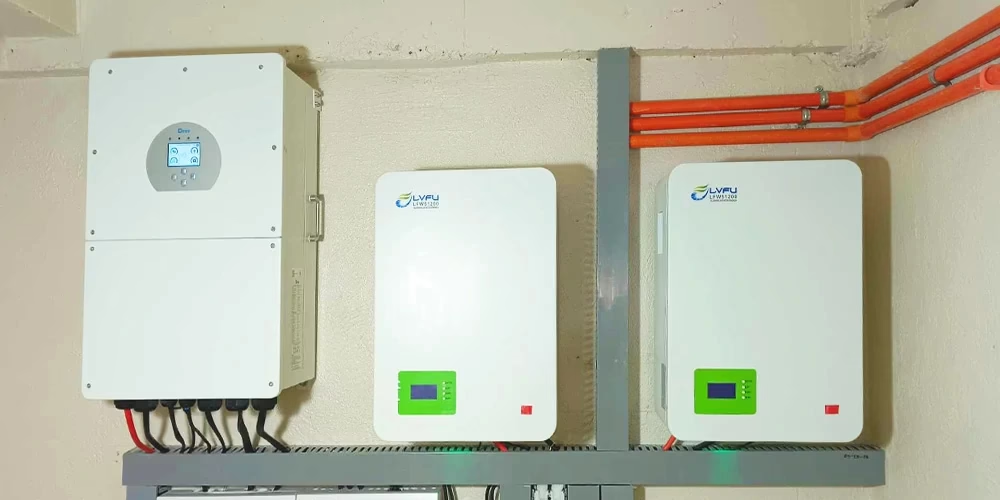
If you’ve installed a home battery system or are thinking about getting one, safety should be your top priority. Here are some straightforward, practical tips to keep everything running smoothly and safely—based on real use, not just the manual. Home energy storage safety is important.
1. Leave installation to the pros
Don’t try to DIY this. A certified installer will make sure everything’s wired correctly, meets local codes, and is set up in a safe location. It’s worth the peace of mind.
2. Actually read the manual
I know, manuals aren’t fun. But the one that comes with your system has specific guidance on charging, discharging, and what those indicator lights really mean. Skim it at least — it helps.
3. Check in on your system regularly
Once a month, take a quick look. Is the battery area ventilated? Any unusual noises from the inverter? Many systems come with an app — use it to keep an eye on performance and spot issues early.
4. Avoid pushing the battery too hard
Most systems have built-in controls to prevent overcharging or draining too low. Stick within the recommended charge range — your battery will last longer and stay safer.
5. Keep it cool and dry
Heat is tough on batteries. Install your system somewhere with decent airflow, out of direct sun and away from damp areas. A garage or utility room often works well.
6. Don’t overload it
Your system is rated for a certain amount of power. If you’re consistently maxing it out, consider expanding capacity or balancing your usage. It’s better than tripping it or causing wear.
7. Handle with care
If you ever need to move or service parts, follow the manufacturer’s guidelines. Batteries are heavy and contain sensitive materials — no shortcuts here.
8. Know what to do in an emergency
Familiarize yourself with how to shut the system down manually. Keep your installer’s number handy, and don’t hesitate to call if something seems off.
