

How a Battery Energy Storage System Really Works
The world wants cleaner energy, and that demand keeps growing. Battery Energy Storage Systems (BESS) have quickly become a must-have part of modern energy infrastructure. They store renewable energy from solar and wind, and they keep the lights on when the grid gets shaky.
But here’s the thing: to really understand why a good BESS performs so well, you need to look inside. Not just at the outside box, but at every layer—from the smallest battery cell all the way up to the fully integrated system.
In this article, we walk you through each level. And along the way, we show you how LVFU Energy handles every step.
Level 1: The Cell – Where It All Starts
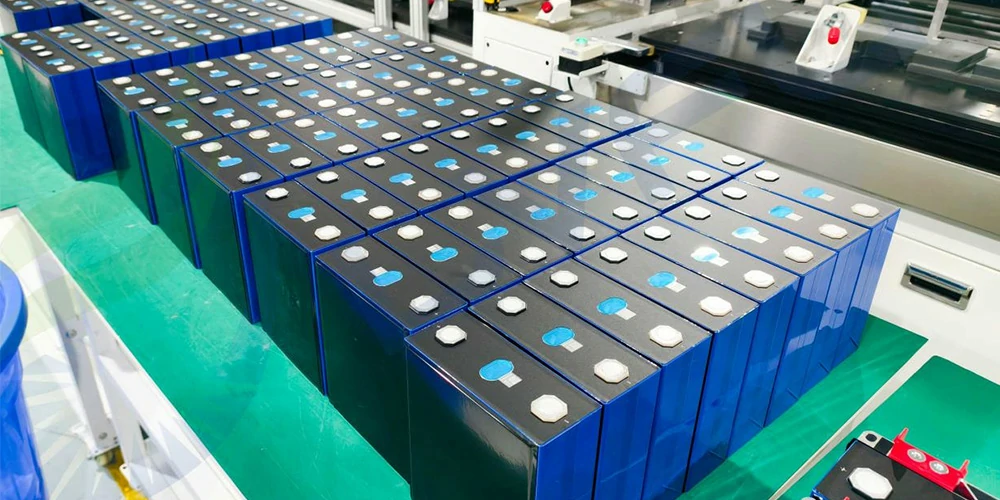
The battery cell is the smallest unit that stores and releases electrical energy. Inside each cell, you’ve got a positive electrode, a negative electrode, electrolyte, and a separator. Together, they convert energy through electrochemical reactions.
Today, Lithium Iron Phosphate (LiFePO4) cells lead the market for BESS applications. Why? Three reasons: better safety, longer cycle life, and lower cost.
We at LVFU know that cell quality makes or breaks the whole system. That’s why we only use A+ grade LiFePO4 cells. No shortcuts. No compromises.
Level 2: The Module – Organizing the Cells
One single cell doesn’t give you enough voltage or capacity. You’d get nowhere with just one. So we connect multiple cells in series and parallel, then pack them into a structured housing. That’s a battery module.
A good module does more than hold cells together. It adds thermal management and a BMS slave board that monitors each cell’s condition. This keeps voltage and temperature balanced across the board. The result? Longer battery life and better safety.
When we design our modules at LVFU, we sweat every detail. Because a solid module makes everything else easier down the line.
Level 3: The Pack – Integration and Control
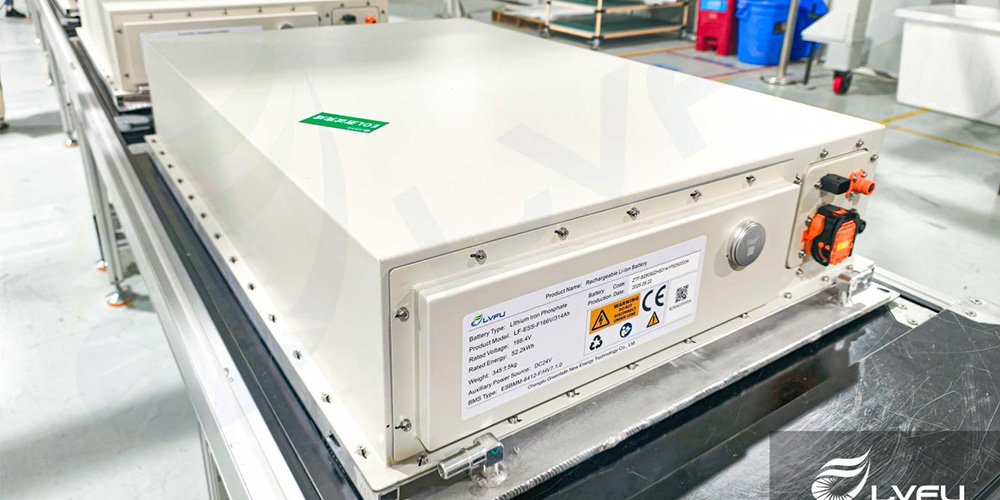
Now we move up to the battery pack. A pack holds multiple modules, plus a master BMS, protection circuits, and a rugged enclosure.
The master BMS coordinates every module. It handles higher-level safety functions like overcharge protection, over-discharge protection, overcurrent protection, and over-temperature protection. Think of it as the pack’s central command.
Good pack design comes down to three things: safety, scalability, and easy maintenance. We design and test every LVFU battery pack rigorously. No guesswork. Just proven performance.
Level 4: The Complete System – BESS Ready for Action
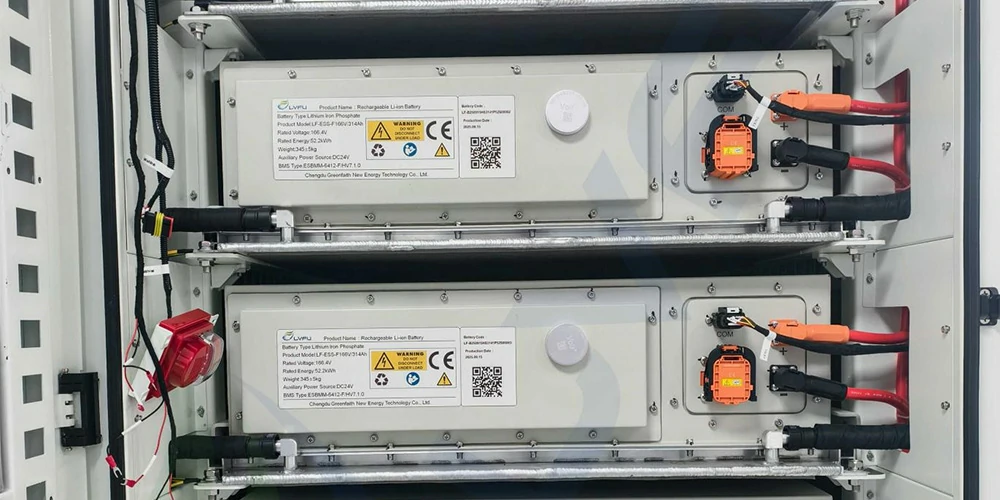
At the top level, you get the complete Battery Energy Storage System (BESS). This brings everything together: battery packs, a Power Conversion System (PCS), an Energy Management System (EMS), cooling, and fire suppression.
Here’s how the pieces work:
- PCS converts DC power from the battery into AC power and talks to the grid.
- EMS acts as the brain of the BESS. It monitors, controls, and optimizes the whole system to hit the best energy dispatch and efficiency.
A full BESS works in many scenarios: grid-scale storage, commercial and industrial (C&I) storage, and residential storage. Wherever you need flexible, reliable power.
LVFU delivers complete BESS solutions—from small home systems to large containerized storage. Whatever your scale or application, we’ve got you covered.
LVFU Energy: Your Reliable Energy Storage Partner
We focus on one thing: high-performance, high-safety battery energy storage products and solutions. We understand cells, modules, packs, and systems inside and out.
Whether you’re a homeowner looking for energy independence or a business trying to cut operating costs and boost efficiency, we give you a tailored solution.
Why Choose LVFU?
- A+ Grade LiFePO4 Cells – Safer, longer life (over 6,000 cycles), and rock-solid performance.
- Smart BMS – Precisely manages and protects your battery. Maximizes both lifespan and system efficiency.
- Modular Design – Scale up or down with ease. Works for small home setups or large commercial projects.
- Comprehensive Solutions – One-stop service from battery products to fully integrated systems. You don’t piece things together yourself.
One Last Thing
BESS is complex because it’s multi-layered. And every single layer affects performance, safety, and efficiency. From the tiny cell to the massive integrated system, getting each level right makes all the difference.
At LVFU Energy, we bring real expertise to every layer. And we never compromise on quality.
