

In recent years, LiFePO4 battery prices in Pakistan have steadily climbed upward, putting significant pressure on households and businesses that are installing solar systems or purchasing energy storage equipment. The reasons behind this trend are complex, but one thing is clear: prices are likely to rise even further over the next year. This article examines the key drivers behind the price surge and offers a forecast for the months ahead.
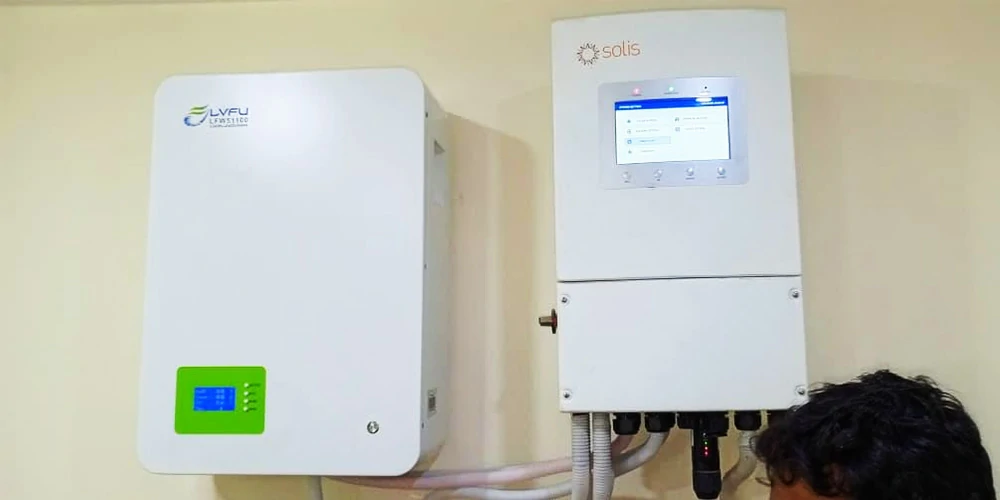
Part 1: Why Are Prices So High Right Now?
First and foremost, Pakistan imposes heavy import duties on batteries. Specifically, the government levies a 12% customs duty on finished batteries and a steep 50% duty on battery cells. On top of that, sales tax and customs’ repeated upward adjustments to the “dutiable value” push the total effective tax rate to nearly 48%. In other words, almost half the cost of an imported battery goes straight to taxes.
At the same time, demand has grown at an extraordinary pace. In 2025, the volume of battery imports for energy storage more than doubled compared to the previous year. This supply-demand imbalance has further fueled price increases.
Part 2: The “Double Price Hike” Coming from China
Pakistan imports most of its batteries from China, and China itself is experiencing two simultaneous waves of price increases.
First, raw material costs have soared. Lithium carbonate – the core material for LFP batteries – surged from under RMB 60,000 per ton in mid-2025 to over RMB 200,000 per ton by mid-2026. Although it has pulled back slightly recently, prices remain at historically high levels. Consequently, cell factory-gate prices have risen by about 20% over the past year.
Second, China is phasing out export tax rebates. Previously, battery exporters received a 13% rebate. This dropped to 9% at the end of 2024, fell further to 6% in April 2026, and will be completely eliminated by January 2027. Every percentage point reduction in the rebate effectively pushes up the export price by the same margin. Together, these two factors have driven Chinese battery export prices up by at least 20% compared to a year ago.
Part 3: Local Factors Adding More Fuel to the Fire
On top of the Chinese price hikes, Pakistan is also raising its own taxes. The government is currently considering increasing the sales tax on batteries from 10% to 18%. If this measure takes effect, it would add roughly another 8% to the final retail price.
Furthermore, distributors are holding back inventory and reducing sales due to uncertain policy signals. This creates an artificial shortage, pushing prices even higher. For example, a 5kWh lithium battery has already climbed to PKR 260,000 – about PKR 20,000 more than its previous price.
Part 4: How Much Will Prices Rise – and When?
Based on our analysis, we expect cumulative price increases of 25% to 35% over the next 12 months. Here is the breakdown:
- By the end of 2026 (next 6 months): The rebate reduction to 6%, continued high raw material costs, and the anticipated sales tax hike will likely drive prices up by another 15% to 20%.
- In the first half of 2027: If China completely phases out the rebate (adding another 6%) and Pakistan’s sales tax increase takes effect (adding another 8%), we could see an additional 10% to 15% price hike.
Of course, these projections could shift. If lithium carbonate prices drop sharply or Pakistan suddenly reduces import duties on cells, the overall increase could be smaller. However, under current conditions, further price rises remain the most likely outcome.
Part 5: Will Prices Ever Improve?
The Pakistani government has already launched a local battery manufacturing policy. The current tariff structure – zero duty on raw material imports but 12% duty on finished batteries – clearly encourages local assembly. If local production capacity comes online within the next year or two, and if cell import duties are reduced, we could see a turning point. However, in the short term (within the next 12 months), that relief does not appear realistic.
In summary, battery prices in Pakistan are likely to rise by about 30% over the coming year. If you are planning to purchase a system and can lock in current prices, we strongly recommend acting sooner rather than later.
