

Project Overview
A homeowner in Poland has successfully operated an LVFU residential energy storage system for two years, demonstrating the reliability of LVFU LiFePO4 batteries in a real-world home solar application.
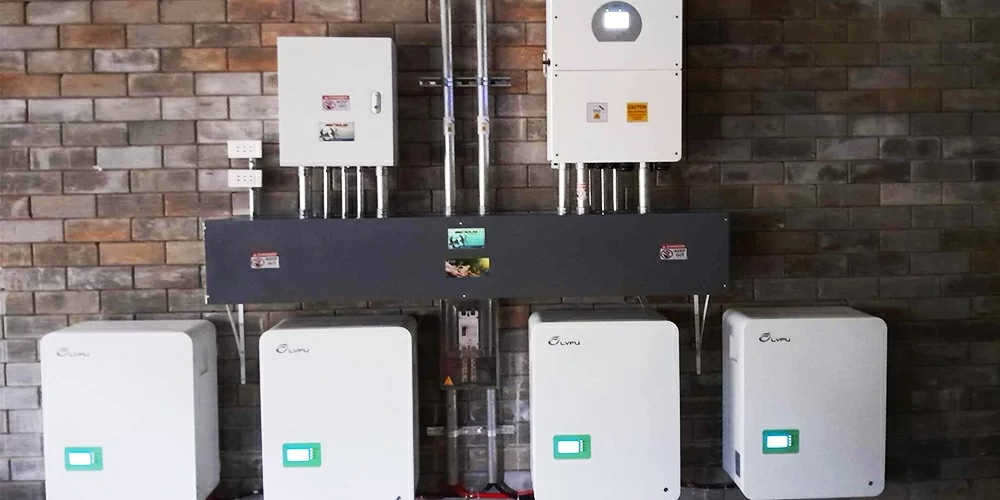
For this project, the customer installed their own rooftop solar panels and purchased a Deye hybrid inverter separately. LVFU Energy supplied four 10kWh wall-mounted lithium battery units, creating a residential energy storage system with a combined nominal capacity of 40kWh.
The LVFU batteries work with the customer’s Deye inverter, allowing the homeowner to integrate solar generation with battery storage in one coordinated energy system.
According to the customer’s feedback, the system has operated for two years without any reported faults.
Project Specifications
| Project Details | Specifications |
| Project Location | Poland |
| Application | Residential Solar Energy Storage |
| Battery Brand | LVFU |
| Battery Type | LiFePO4 Wall-Mounted Battery |
| Battery Quantity | 4 Units |
| Capacity per Battery | 10kWh |
| Total Nominal Capacity | 40kWh |
| Inverter Brand | Deye |
| Solar Panels | Customer-Installed Rooftop Solar Panels |
| Operating Period | 2 Years |
1. A 40kWh Residential Battery Storage Solution for a Polish Home
The homeowner wanted to integrate battery storage with an existing rooftop solar installation. Instead of purchasing a complete energy storage package from one supplier, the customer selected different components based on their requirements.
The customer installed the rooftop solar panels and purchased a Deye hybrid inverter independently. LVFU supplied four 10kWh wall-mounted LiFePO4 batteries to provide the required energy storage capacity.
Together, the four battery units deliver approximately 40kWh of nominal energy storage capacity.
This configuration allows the homeowner to store surplus solar electricity during periods of solar generation and use the stored energy when needed, depending on the inverter configuration and system operating settings.
By combining independently selected components, the customer created a residential solar energy storage solution that meets their household energy requirements.
2. Seamless Integration with a Customer-Owned Deye Inverter
In residential energy storage projects, battery and inverter compatibility plays an important role in overall system performance.
For this project, the customer chose a Deye hybrid inverter rather than purchasing an inverter from LVFU. Our LVFU battery system successfully integrated with the customer’s inverter, demonstrating its application flexibility in a third-party equipment configuration.
Battery-inverter compatibility involves more than simply connecting electrical cables. The battery voltage range, charge and discharge current limits, communication protocol, and BMS settings must all match the inverter’s requirements.
When the battery and inverter communicate correctly, the system can coordinate charging, discharging, and battery protection according to their supported functions.
This project demonstrates how LVFU residential batteries can work within a customer-selected solar energy storage setup, subject to model-specific compatibility and correct installation.
3. Two Years of Stable Operation: Real Customer Feedback
Long-term operating performance provides valuable insight into the practical reliability of a residential energy storage system.
According to the customer’s feedback, the four LVFU wall-mounted batteries have operated continuously within the home energy storage installation for two years without any reported faults.
This positive experience highlights the importance of selecting reliable battery products and ensuring proper integration with compatible inverters.
For homeowners, installers, and energy storage distributors, long-term system stability is an important consideration when choosing a residential battery storage solution.
At LVFU, we focus on providing LiFePO4 battery products that support reliable residential and commercial energy storage applications.
4. Why Choose LVFU Wall-Mounted LiFePO4 Batteries?
LVFU develops lithium battery solutions for residential and commercial energy storage applications. Our wall-mounted battery products provide a practical option for homeowners who want to integrate battery storage with existing or newly installed solar systems.
Key considerations include:
- LiFePO4 Battery Technology: Lithium iron phosphate chemistry offers a stable battery platform for residential energy storage applications.
- Flexible System Integration: LVFU batteries support integration with compatible hybrid and off-grid inverters.
- Expandable Storage Configurations: Multiple battery units can provide larger storage capacity when the battery model and system architecture support parallel operation.
- Intelligent BMS Protection: The battery management system monitors key operating parameters and helps protect the battery during charging and discharging.
- Residential and Commercial Applications: LVFU offers energy storage solutions for different household and business energy requirements.
With the right battery configuration and inverter compatibility, homeowners can build an energy storage system around their actual electricity consumption and solar generation needs.
Frequently Asked Questions
1. How much battery storage capacity does this Polish residential project have?
The project uses four LVFU 10kWh wall-mounted lithium batteries, providing a combined nominal storage capacity of approximately 40kWh.
2. Can LVFU batteries work with a Deye hybrid inverter?
LVFU batteries can integrate with compatible Deye hybrid inverter models. However, compatibility depends on the specific battery and inverter models, supported communication protocols, firmware, and configuration settings. Always confirm compatibility before installation.
3. How long has this LVFU residential battery system been operating?
According to the customer, the system has operated for two years without any reported faults. The installation combines four LVFU 10kWh wall-mounted batteries, a customer-owned Deye inverter, and rooftop solar panels.
4. Can I combine LVFU batteries with my existing solar panels and inverter?
Yes, LVFU batteries can be integrated into suitable existing solar energy systems. However, installers must check the inverter’s battery voltage range, charging and discharging limits, communication protocol, and BMS compatibility before connecting the equipment.
5. Is a 40kWh battery system suitable for every household?
Not necessarily. The appropriate battery capacity depends on household electricity consumption, peak loads, solar generation, backup requirements, and desired energy autonomy. A professional system assessment can help determine the right storage capacity.
Conclusion: A Reliable 40kWh Home Energy Storage Installation in Poland
This residential energy storage project in Poland demonstrates how four LVFU 10kWh wall-mounted LiFePO4 batteries can integrate with a customer-owned Deye hybrid inverter and rooftop solar panels to create a 40kWh home energy storage system.
After two years of operation without any reported faults, the installation provides positive real-world customer feedback on LVFU battery performance and system integration.
Whether you are a homeowner looking for a residential battery storage solution or an installer searching for a compatible LiFePO4 battery supplier, LVFU offers flexible energy storage products for different solar applications.
Looking for a reliable residential battery storage manufacturer?
Contact LVFU to explore our wall-mounted and floor-standing LiFePO4 battery solutions.
